

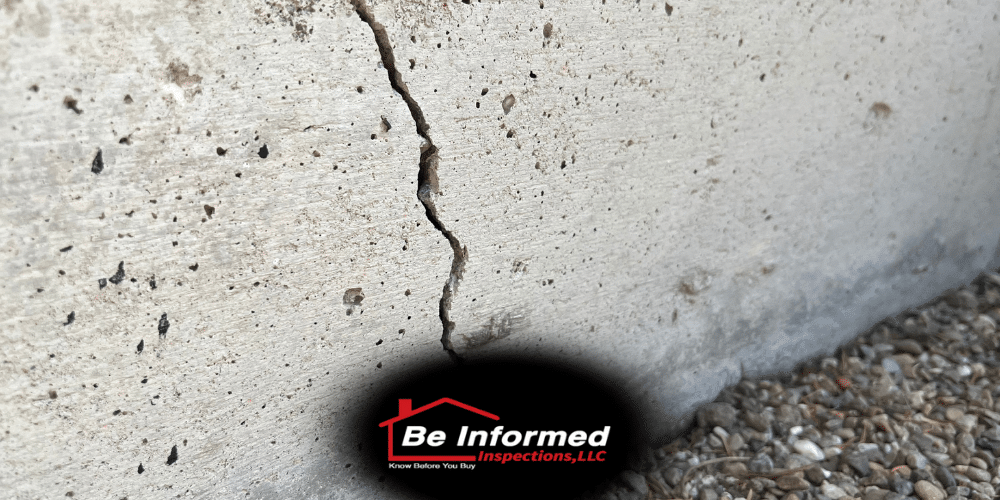
In North Texas, soil conditions can significantly affect how homes perform over time. A professional home inspection in Dallas, TX often includes a close look at slab foundations, drainage patterns, grading, and visible signs of structural movement.
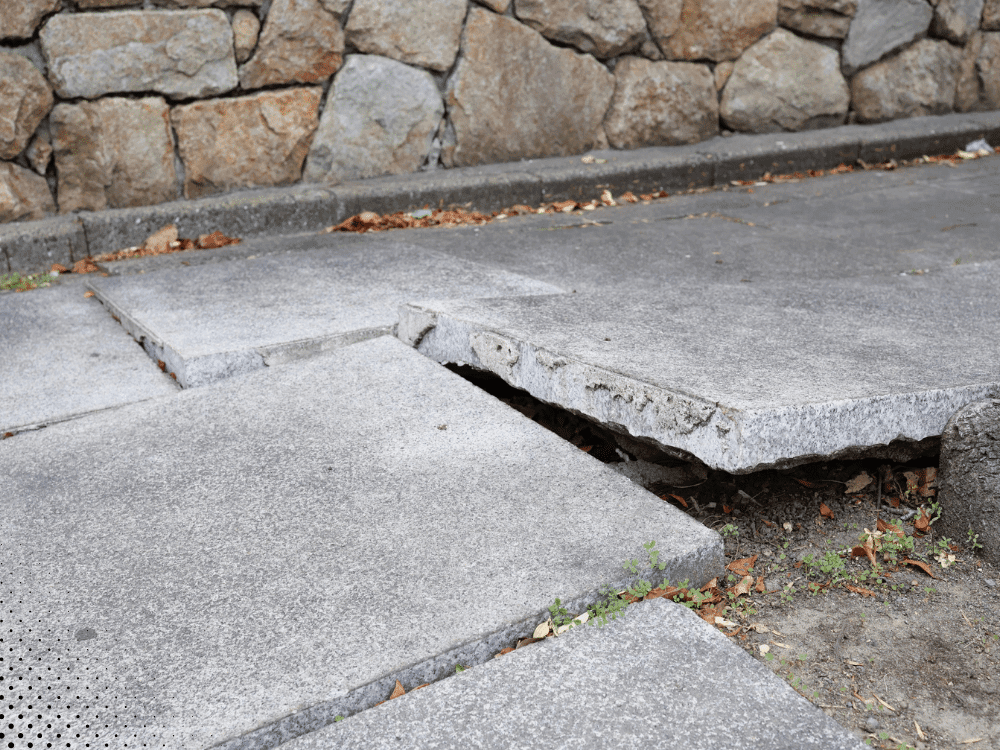
The expansive clay soil common throughout Dallas, Fort Worth, Frisco, McKinney, Southlake, and Keller naturally expands during wet weather and contracts during dry periods. Over time, this cycle can place stress on foundations, exterior walls, interior finishes, and drainage systems.
In areas with soil movement and slab cracks, homeowners should check the foundation edges, exterior grading, drainage flow, interior wall cracks, sticking doors, uneven floors, and moisture patterns near the slab. A professional home inspection helps document visible conditions and determine whether further evaluation may be needed.
If you’re buying, selling, or maintaining a home in the area, here are key things to check when soil movement or slab cracks are a concern.
Why Soil Movement Matters During A Home Inspection In Dallas, TX
Soil movement does not always indicate a major foundation issue. However, it can create changes that affect structural stability, drainage performance, and interior finishes.
Common signs of movement may include:
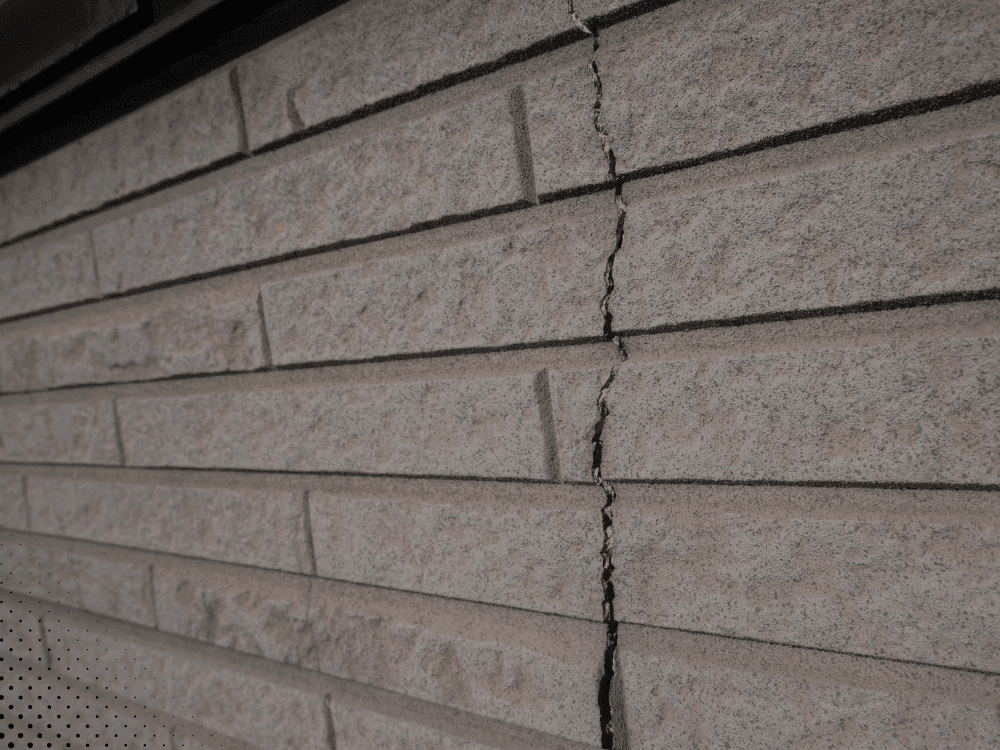
- Stair-step cracks in brick
- Interior sheetrock cracks above doors or windows
- Sticking doors or misaligned latches
- Sloping or uneven floors
- Gaps around window frames
- Visible cracks in the slab or garage floor
In older homes, years of soil expansion and contraction may lead to visible settlement patterns or slab cracks. Newer homes can also experience movement when grading, drainage, or moisture control around the foundation is not properly managed.
A professional inspection documents what is visible at the time of the inspection and can help determine whether the cracks are cosmetic, maintenance-related, or warrant further evaluation by a foundation specialist.
Exterior Grading And Drainage Concerns
Drainage is one of the most important factors in foundation performance. In North Texas, heavy rain, dry heat, and clay soil can create ongoing movement around the home.
During an inspection, the inspector reviews areas such as:
- Soil slope around the foundation
- Downspout discharge locations
- Standing water near slab edges
- Erosion patterns
- Gutters and drainage extensions
- Low areas where water may collect
Water should move away from the home, not toward it. When moisture collects near the slab, the surrounding soil can expand and place pressure against the foundation. During long dry periods, the same soil may shrink and pull away from the slab edge.
If you’re purchasing a home, our Buyer’s Inspection includes a detailed review of visible structural and drainage conditions to help identify concerns before closing.
 Interior Indicators Of Slab Movement
 Interior Indicators Of Slab Movement
Not all signs of movement are visible from the outside. Interior clues can also help show how the home may be responding to soil changes.
Inside the home, inspectors may look for:
- Cracked floor tiles
- Separation at baseboards
- Uneven transitions between flooring materials
- Cracks near the corners of doors and windows
- Doors that rub, stick, or do not latch properly
- Gaps where walls meet ceilings or trim
An experienced home inspector evaluates the pattern of these signs, not just one isolated crack. For example, repeated cracks in similar locations may tell a different story than a single cosmetic crack caused by normal settling.
This type of review is helpful in Dallas and surrounding service areas where clay soil, drainage changes, and seasonal weather patterns can all affect the home’s structure over time.
Inspector Insight: Climate Impact In North Texas
Homes throughout North Texas are exposed to cycles of intense heat, dry weather, heavy storms, and sudden changes in moisture. These conditions can increase the likelihood of soil expansion and contraction around the foundation.
This is especially important for homes in areas such as Fort Worth, Frisco, McKinney, Southlake, and Keller, where soil conditions and grading can vary from neighborhood to neighborhood.
Homes without proper drainage, gutter extensions, irrigation control, or grading adjustments may show signs of movement sooner than expected. Even well-built properties benefit from regular monitoring and maintenance.
Homeowners concerned about long-term foundation performance may also consider additional inspection tools when appropriate. Our Thermal Imaging Inspection can help identify hidden moisture patterns that may not be visible during a standard visual review.
Older Homes Vs. New Builds In The Dallas Area
 Older Homes Vs. New Builds In The Dallas Area
Both older homes and new construction properties can be affected by soil-related movement, but often for different reasons.
Older homes may show long-term settlement patterns that developed over many years. Some of these conditions may have stabilized, while others may continue to change depending on drainage, soil moisture, and maintenance.
New builds may experience early movement if grading, drainage, or moisture control was not fully optimized after construction. Even recently built homes should be reviewed carefully, especially before the builder’s warranty period ends.
In either case, documentation matters. A detailed home inspection in Dallas, TX gives buyers and homeowners a clearer understanding of the visible foundation, grading, and structural conditions at that point in time.
What Buyers And Homeowners Should Pay Attention To
When reviewing a property in a soil movement area, pay close attention to how water moves around the home and whether visible cracks appear to follow a pattern.
Important areas to review include:
- Foundation edges
- Exterior brick or stone veneer
- Garage slab and driveway transitions
- Interior walls near windows and doors
- Flooring transitions
- Drainage paths around the home
- Gutters, downspouts, and extensions
These observations do not automatically mean the home has a serious issue. They simply help create a clearer picture of how the property is performing and whether further evaluation may be needed.
Schedule Your Professional Home Inspection In Dallas
Whether you’re buying, selling, or maintaining a home in Dallas, Frisco, McKinney, Fort Worth, Southlake, Keller, or nearby North Texas communities, understanding soil movement and slab conditions is an important part of responsible homeownership.
Expansive clay soil, drainage patterns, and seasonal weather changes are common in this region. A comprehensive inspection helps provide clear documentation, practical insights, and a better understanding of the home’s visible condition.
If you need a professional home inspection in Dallas, TX or surrounding North Texas communities, Be Informed Inspections can help you understand the visible condition of the home before you buy, sell, or plan maintenance.
To schedule your inspection or learn more about the process, call 972-827-2366 or visit:
https://beinformedinspections.com/schedule/